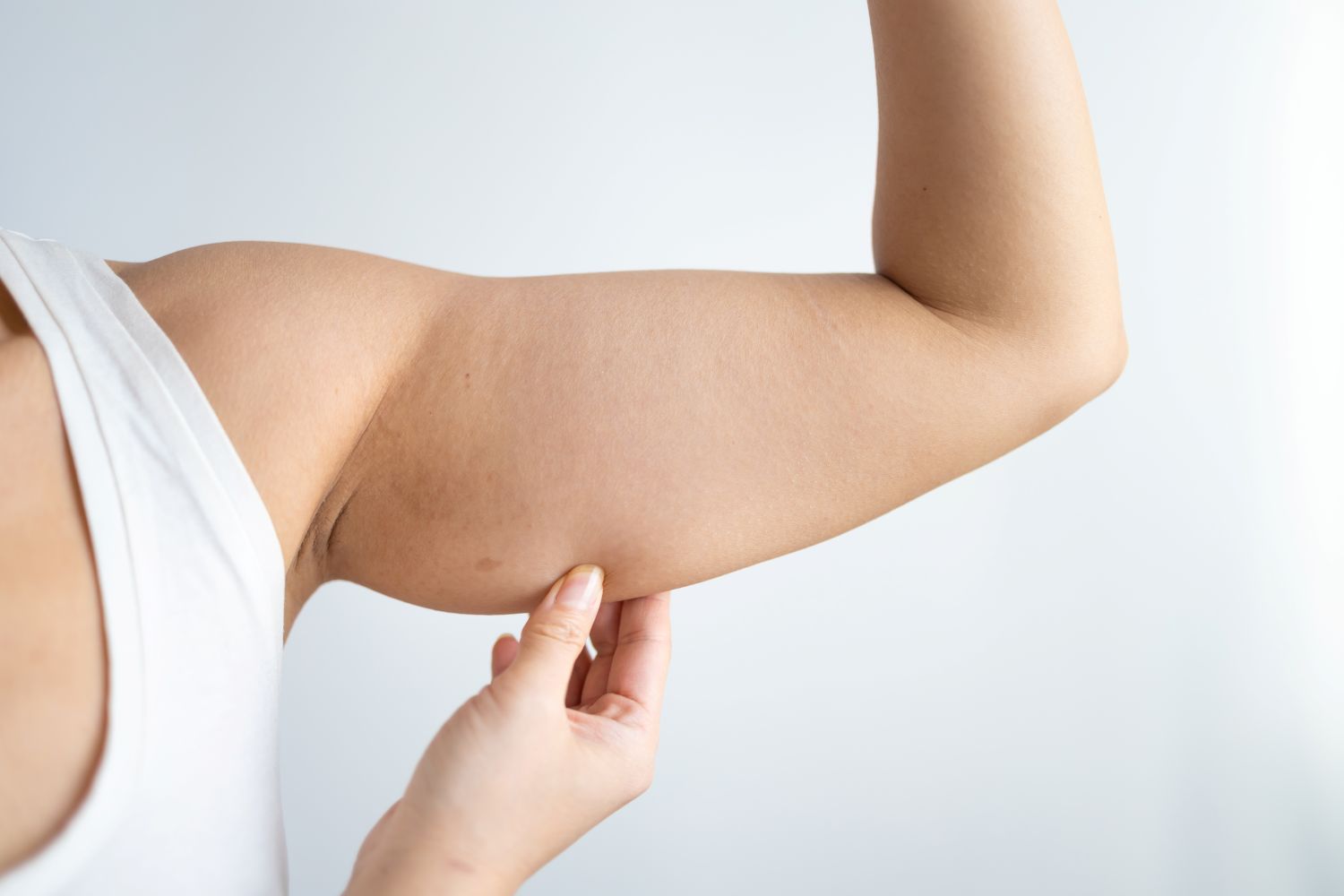
Unwanted arm fat can be a source of insecurity, often overshadowing confidence and self-expression. For many, the desire for sleeker, more shapely arms has led to the pursuit of effective solutions. Liposuction emerges as a viable option, offering a transformative shortcut to achieve the aesthetic you desire. This article delves into the intricacies of arm liposuction, from the techniques involved and ideal candidates to the benefits and potential risks, guiding you toward a more confident version of yourself.
Common Concerns About Arm Appearance
Many individuals express concerns regarding upper arm fat, sagging skin, and a lack of definition, which often leads to a desire for aesthetic treatments.
To address these concerns, individuals may consider several effective methods:
- Engaging in resistance training, particularly exercises such as tricep dips and push-ups, can aid in building muscle definition and reducing the appearance of excess fat.
- Implementing a nutritional plan that emphasizes lean proteins and healthy fats can support the process of fat loss.
- Utilizing tools such as MyFitnessPal can assist in tracking caloric intake and monitoring progress.
For those seeking more immediate results, dermatologic treatments such as CoolSculpting or laser therapy may be viable options to explore. Consulting with a fitness professional or a qualified dermatologist can provide personalized recommendations tailored to specific objectives.
Understanding Liposuction
Liposuction is a widely recognized cosmetic procedure aimed at the removal of persistent fat deposits and the enhancement of body contours.
This procedure serves as a viable option for individuals seeking to address concerns related to arm insecurities.
What is Liposuction?
Liposuction is a surgical procedure designed to selectively remove adipose tissue from various areas of the body, typically performed under local or general anesthesia to enhance body contours.
During the procedure, a thin cannula is inserted through small incisions to suction out excess fat. This technique is generally considered safe, exhibiting a low complication rate when conducted by certified professionals.
Results may be observed immediately, showcasing improved body curves; however, it may take up to six months for the full effects to become apparent. The cost of the procedure ranges from $3,000 to $10,000, and patients should anticipate a recovery period of at least one to two weeks, during which swelling and bruising may occur.
The use of compression garments is recommended to manage discomfort and promote healing during this recovery phase.
Types of Liposuction Techniques
Several liposuction techniques are available, including tumescent, ultrasound-assisted, and laser-assisted liposuction, each offering distinct advantages tailored to patient needs.
Tumescent liposuction is the most widely utilized method, incorporating a local anesthetic solution to reduce blood loss and minimize discomfort. Patients can anticipate an average cost ranging from $2,000 to $7,000, with a relatively swift recovery period of approximately one week.
In contrast, ultrasound-assisted liposuction utilizes ultrasound waves to disrupt fat cells, resulting in smoother outcomes. This method generally incurs costs between $3,000 and $10,000, with a recovery period that may extend up to two weeks.
Furthermore, laser-assisted liposuction not only facilitates fat removal but also promotes skin tightening. The costs for this procedure typically range from $2,500 to $4,500, accompanied by a recovery duration of about three weeks, making it particularly suitable for individuals seeking both fat removal and skin tightening benefits.
Benefits of Arm Liposuction
Arm liposuction provides several advantages, including enhanced aesthetics and notable improvements in self-esteem and body confidence.
Enhanced Aesthetics
Patients frequently report a significant improvement in the appearance of their arms following liposuction, with many individuals achieving a visibly more toned and sculpted look. This transformation not only enhances their physical appearance but often leads to an increase in self-esteem.
For instance, before-and-after photographs typically reveal remarkable results, with many patients experiencing a reduction of 20-30% in arm circumference. Furthermore, tools such as body composition scales can assist in monitoring these changes over time, providing a quantitative measure of progress.
Sharing personal narratives regarding the emotional journey associated with liposuction can resonate with others contemplating the procedure, underscoring both the physical and psychological impacts of such a significant transformation.
Boosted Confidence
Post-liposuction, many individuals report a significant enhancement in their confidence levels, with studies indicating a 70% increase in self-reported self-esteem. This boost in confidence is frequently associated with various psychological factors.
For example, a case study conducted at a cosmetic clinic demonstrated that patients who engaged in support groups exhibited improved body image and social interactions following their surgery. Testimonials underscore the transformative experiences of individuals; one patient, Jenna, articulated how she felt give the power toed to wear a sundress for the first time in years, illustrating her newfound self-acceptance.
Clinics that provide psychological support in conjunction with surgical procedures have experienced a 50% increase in overall patient satisfaction. This holistic approach underscores the importance of addressing mental wellness alongside physical transformation.
Who is a Good Candidate?
Identifying a suitable candidate for arm liposuction necessitates a comprehensive assessment of both physical characteristics and overall health to ensure the procedure’s safety and efficacy.
Ideal Body Types
Ideal candidates for arm liposuction generally possess localized fat deposits and are within 30% of their target weight, indicating a stable body weight. Candidates should preferably maintain a Body Mass Index (BMI) between 25 and 30.
For individuals with a higher BMI who are considering the procedure, it may be necessary to engage in weight loss through dietary changes or exercise prior to undergoing liposuction in order to achieve optimal results.
It is essential for prospective patients to have realistic expectations regarding skin elasticity, as individuals with good skin elasticity are likely to experience more favorable outcomes.
Consulting with a qualified plastic surgeon is highly recommended, as this can facilitate an assessment of individual circumstances and the development of a personalized plan for effective fat reduction.
Health Considerations
Candidates are required to undergo comprehensive health evaluations to exclude conditions such as diabetes or cardiovascular issues that may complicate recovery. During the pre-operative assessment, physicians typically perform blood tests, cardiovascular evaluations, and a thorough review of the patient’s medical history.
For example, candidates with diabetes may be subject to additional scrutiny regarding their blood sugar control, as poorly managed levels can result in surgical complications. Research indicates that approximately 10-20% of candidates may be disqualified based on these assessments, underscoring the significance of clear communication and thorough preparation.
Timely screenings and consultations are essential in ensuring that potential candidates are fully informed about their health status, thereby enhancing their eligibility for surgery.
The Liposuction Procedure
A comprehensive understanding of the liposuction procedure involves familiarity with the consultation, preparation, and aftercare processes that are essential for achieving a successful outcome.
Consultation and Preparation
The pre-operative consultation encompasses a thorough discussion of the patient’s medical history, the establishment of realistic expectations, and preparation for the upcoming procedure.
During this consultation, patients should be prepared to address any allergies and medications currently being taken, as well as their specific surgical goals. Physicians will likely inquire about previous surgeries, existing medical conditions, and lifestyle habits that may impact recovery.
It is also important to understand the various anesthesia options available-local, regional, or general-along with their associated costs, which can differ significantly.
For instance, local anesthesia may be less expensive than general anesthesia, depending on the nature of the procedure. To facilitate a more productive dialogue with the surgeon, patients are encouraged to prepare a list of questions and concerns prior to the consultation.
Recovery and Aftercare
Post-operative care is essential for ensuring a successful recovery. Patients are typically advised to wear compression garments for a duration of 4 to 6 weeks and to refrain from engaging in heavy lifting activities.
Plus wearing compression garments, patients should vigilantly monitor their incisions for any signs of infection, which may include increased redness, warmth, or discharge. Maintaining a clean and dry environment around the surgical site is crucial. It is common for patients to experience swelling and bruising, which may persist for several days to several weeks.
To alleviate discomfort, the application of ice packs wrapped in a cloth for 15 to 20 minutes at a time is recommended. Furthermore, staying well-hydrated and consuming a balanced diet will significantly support the healing process and contribute to improved recovery outcomes.
Potential Risks and Complications
Liposuction, like any surgical procedure, carries potential risks and complications that patients must fully understand prior to undergoing treatment.
Understanding the Risks
Common risks associated with surgical procedures include infection, scarring, and fluid accumulation. Serious complications occur in less than 1% of cases when the procedures are performed by qualified surgeons.
To mitigate these risks, it is essential to adhere to pre-operative instructions, which may include avoiding blood thinners and refraining from smoking. During the surgical procedure, employing sterile techniques can significantly decrease the likelihood of infection.
Post-operative care is of equal importance; it is vital to keep the surgical area clean and dry, monitor for any unusual symptoms, and attend all follow-up appointments.
For instance, a recent case demonstrated that a patient who strictly followed these guidelines experienced no complications, underscoring the significance of diligent aftercare.
Being proactive in these areas can lead to improved surgical outcomes and facilitate a quicker recovery.
Managing Expectations
Managing expectations is essential for ensuring patient satisfaction following surgery. Many patients may achieve results that align with their goals within weeks of the procedure.
It is crucial for patients to recognize that individual healing timelines can differ significantly. For instance, while some individuals may observe improvements within two weeks, others may require up to three months to experience full results.
Maintaining open communication with surgeons is beneficial for patients, allowing them to inquire about realistic timelines and what to expect in relation to swelling or discomfort. Additionally, engaging with support groups or forums can provide patients with valuable insights based on the experiences of others, thereby aiding in the formation of more accurate expectations.
Long-Term Maintenance Tips
To maintain results following liposuction, individuals should adopt a balanced diet, engage in regular exercise, and consider implementing ongoing skincare routines.
A low-sugar, high-protein diet can significantly assist in preserving the newly achieved shape. It is advisable to incorporate lean meats, vegetables, and whole grains while minimizing the intake of processed foods.
Strength training exercises should be performed at least three times a week, with a focus on core stability and muscle toning, as these can further enhance the body’s contours.
Additionally, following a skincare regimen that includes moisturizing and the application of firming creams may improve skin elasticity. Regular follow-ups with the surgeon are recommended to provide personalized guidance and monitor progress, ensuring that individuals remain on track with their goals.