In an era where cleanliness and safety are paramount, selecting the right disinfectant sprayer can significantly impact your environment. Understanding the importance of effective disinfection and the types of sprayers available is crucial for making an informed choice. This guide delves into essential factors like area size, disinfectant type, and key features to consider, ensuring you find the perfect solution tailored to your needs. Prepare to explore the world of disinfectant sprayers and elevate your hygiene standards.
Importance of Disinfection
The significance of disinfection cannot be overstated, particularly in environments such as hospitals and schools, where the risk of infection is considerably heightened. Statistics indicate that effective disinfection can lead to a reduction in infection rates by as much as 50% in clinical settings.
Commonly employed germicidal agents include:
- Quaternary ammonium compounds, which demonstrate efficacy against bacteria.
- Sodium hypochlorite, which is particularly effective against viruses and fungi.
For a comprehensive disinfection strategy, it is advisable to utilize hydrogen peroxide-based disinfectants, as they not only eliminate pathogens but also decompose rapidly, thereby mitigating environmental impact.
Regular monitoring of surfaces using ATP bioluminescence testing is recommended to achieve optimal results, ensuring that high standards of hygiene are consistently maintained.
Types of Disinfectant Sprayers
Understanding the various types of disinfectant sprayers is essential for selecting the appropriate tool for specific applications.
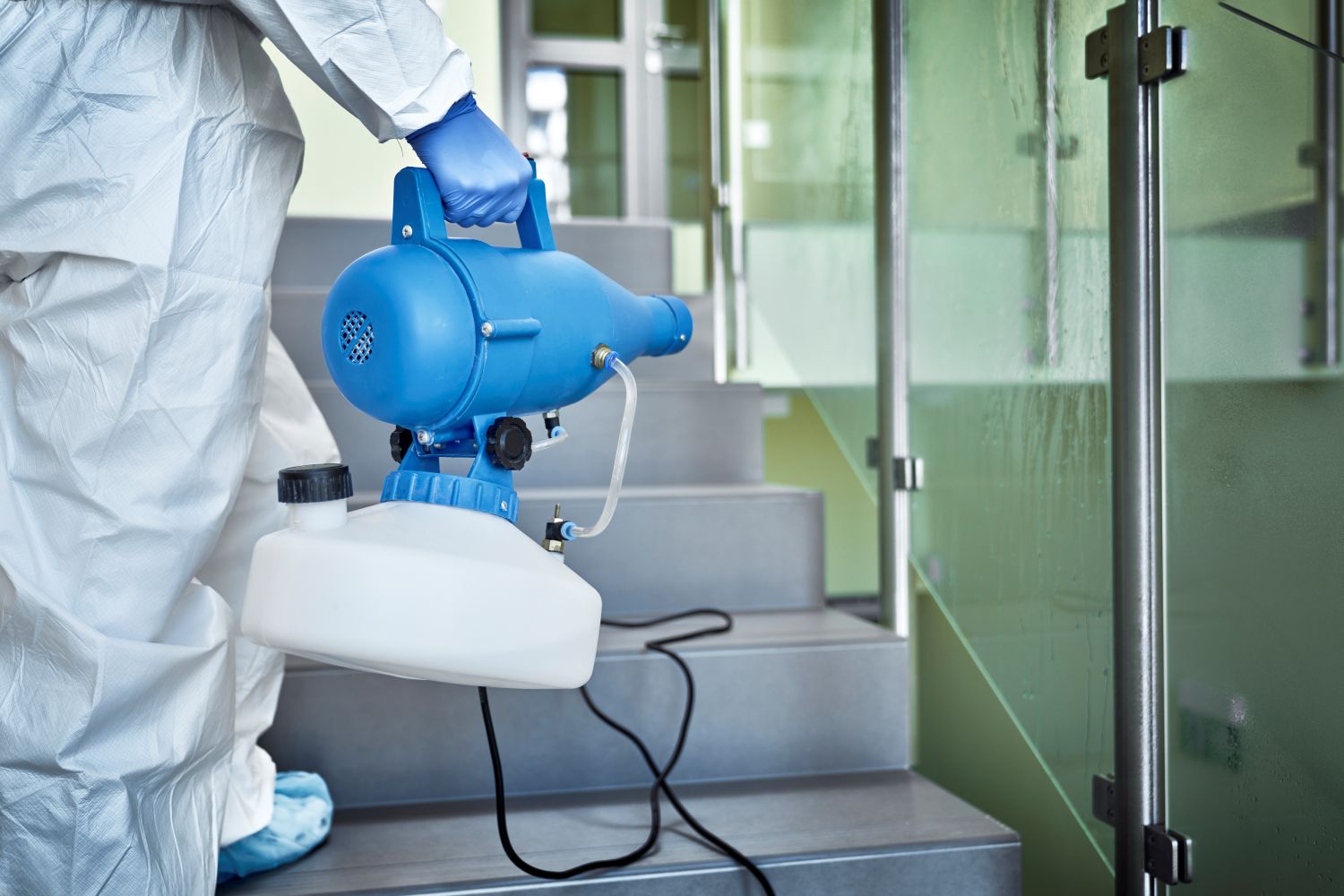
Electrostatic sprayers, for example, employ an electric charge to achieve even coverage on surfaces, making them particularly suitable for large areas where comprehensive disinfection is necessary.
Handheld sprayers, on the other hand, are portable and ideal for smaller spaces or quick touch-ups, providing flexibility and ease of use.
Conversely, commercial sprayers are specifically designed for extensive applications and are equipped with larger tanks and powerful motors to efficiently manage larger projects.
Each type serves a distinct purpose; therefore, it is important to consider the size of the area and the specific disinfecting needs when making a selection.
Factors to Consider When Choosing a Sprayer
Selecting the appropriate disinfectant sprayer necessitates a careful evaluation of several key factors to ensure effective application tailored to your specific requirements.
Size of the Area
The size of the area requiring disinfection is a critical factor in selecting the appropriate sprayer, as different sprayers are designed to optimize coverage for specific dimensions.
- For small rooms, defined as those up to 500 square feet, a handheld sprayer, such as the Protexus EPA-approved device, is recommended due to its portability and ease of maneuverability.
- For medium-sized areas ranging from 500 to 2,000 square feet, a battery-powered backpack sprayer, such as the Chapin 63985, is advisable. This model provides adjustable spray patterns and an extended reach to enhance efficiency.
- In large facilities exceeding 2,000 square feet, a commercial electric sprayer, such as the Earthwise 2-in-1, proves to be effective in quickly covering extensive spaces.
It is essential to evaluate both the size of the area and the capabilities of the sprayer to ensure optimal disinfection outcomes.
Type of Disinfectant Used
The type of disinfectant selected is critical when choosing a sprayer, as compatibility can significantly impact both the efficacy of the disinfectant and the longevity of the equipment. For example, utilizing bleach in a plastic pump sprayer can result in rapid deterioration of the equipment, potentially leading to damage. It is advisable to select sprayers that are specifically labeled for use with bleach.
Additionally, mixing hydrogen peroxide with vinegar can produce hazardous gases; therefore, it is essential to ensure thorough rinsing and separation in the cleaning process. Investing in a dedicated acid-resistant sprayer can mitigate risks associated with the use of potent disinfectants.
It is imperative to consult product specifications and safety data sheets to confirm compatibility before proceeding with cleaning tasks.
Frequency of Use
Understanding the frequency of use for a disinfectant sprayer is essential in determining its durability and requisite features. For applications involving heavy usage, it is advisable to select sprayers that exhibit a robust design and extended battery life, such as the Ryobi 18V Chemical Sprayer, which provides approximately 1.5 hours of continuous operation. A weight range of 5 to 6 pounds is optimal, as it ensures portability while minimizing user fatigue.
In addition, features such as adjustable nozzles and large tank capacities contribute to enhanced efficiency. Models like the Chapin 1949, with a 2-gallon capacity, are suitable for covering larger areas, while the Hudson 13754 is ideal for tasks requiring precise spraying.
Investing in these high-quality options can significantly enhance cleaning effectiveness in environments that are used frequently.
Types of Disinfectant Sprayers
Various types of disinfectant sprayers are designed to meet diverse user requirements, with each type presenting distinct advantages tailored to specific application needs.
Electrostatic Sprayers
Electrostatic sprayers employ advanced technology to provide even and efficient coverage, rendering them particularly suitable for large areas. These devices operate by charging droplets of disinfectant or cleaning solutions, which allows them to adhere uniformly to surfaces, including those that are difficult to reach.
The primary advantages of electrostatic sprayers include enhanced coverage efficiency, reduced chemical usage, and expedited application times. For example, utilizing a Victory Innovations sprayer, which is priced at approximately $250, can enable the sanitization of classrooms in less than five minutes, thereby significantly minimizing downtime.
Additionally, these sprayers contribute to safety by reducing surface contact, making them ideally suited for health-sensitive environments such as hospitals and daycare centers.
Battery-Powered Sprayers
Battery-powered sprayers provide significant portability and user-friendliness, which contributes to their popularity in both residential and small business settings.
These sprayers facilitate the straightforward application of pesticides, fertilizers, and herbicides without the limitations imposed by power cords. A notable example is the Chapin 1949 model, which retails for approximately $75. This sprayer has a 4-gallon capacity and is equipped with a 20-volt Lithium-Ion battery, offering up to one hour of continuous operation, making it well-suited for medium-sized gardens.
Additionally, models such as the Sun Joe 24V-SS10-CT are designed with a lightweight construction, weighing only 6.5 lbs, which ensures ease of maneuverability for precise application. This feature caters to the needs of both novice and experienced gardeners.
Manual Sprayers
Manual sprayers continue to be a cost-effective solution for numerous users, offering simplicity and efficiency for smaller tasks. These sprayers are particularly well-suited for the application of pesticides, fertilizers, and herbicides over limited garden areas or in hard-to-reach locations.
For instance, the Solo 425, priced at approximately $39, features a 1-gallon capacity and an adjustable nozzle, allowing for versatility across various applications. Maintenance is minimal; users need only to rinse the sprayer and store it in a cool, dry environment after each use.
In comparison to electric sprayers, which often come with a higher price tag, manual sprayers require no batteries and are always ready for immediate use. This facilitates quick and convenient applications whenever necessary.
Features to Look For
When selecting a disinfectant sprayer, it is essential to consider specific features that can greatly improve both usability and effectiveness.
Adjustable Nozzle
An adjustable nozzle is essential for customizing the spray pattern to suit specific surfaces and applications.
For example, the B&G 1 Gallon Sprayer is equipped with an adjustable nozzle that enables users to transition between a fine mist for delicate tasks and a focused stream for more demanding jobs. This versatility renders it well-suited for both indoor and outdoor applications, including the treatment of plants and the cleaning of surfaces.
Similarly, the Chapin 1949 presents an excellent alternative, featuring an adjustable spray head that accommodates a variety of tasks. Selecting a sprayer with this capability not only enhances operational efficiency but also minimizes waste and ensures optimal coverage.
Tank Capacity
Tank capacity plays a significant role in the operational efficiency of a disinfectant sprayer, influencing the frequency of necessary refills.
For commercial cleaning applications, a 2-gallon tank is often considered optimal, as it provides a suitable balance between weight and capacity, enabling users to effectively cover large areas without the need for frequent refilling.
In contrast, a 1-gallon tank may be adequate for residential use, offering ease of handling and mobility in smaller spaces.
For applications that require extended use, it is advisable to explore models equipped with 4- to 5-gallon tanks; however, it is important to keep in mind that these larger tanks may be cumbersome to operate.
Ultimately, it is essential to align the tank size with the area to be covered, taking into account factors such as the type of surface and the frequency of cleaning to optimize overall efficiency.
Portability
Portability is an essential feature for users who require the ability to transport the sprayer between various locations frequently.
The lightweight design of a sprayer directly impacts the ease of relocation. For example, the PetraTools 2-Gallon Battery Sprayer weighs only 9 pounds, facilitating effortless movement throughout the yard or garden without causing fatigue. Conversely, heavier models can exceed 15 pounds, making them cumbersome for extended use.
It is advisable to consider sprayers equipped with ergonomic handles, as these can significantly reduce user strain. Additionally, testing the balance of the sprayer is important; a well-designed sprayer should feel stable, even when filled to capacity.
Ultimately, it is prudent to select a sprayer that effectively balances manageable weight with user comfort to enhance the overall experience.
Cost Considerations
Comprehending the cost implications associated with disinfectant sprayers is crucial for facilitating an informed purchasing decision.
Initial Investment vs. Long-Term Savings
Evaluating the initial investment in disinfectant sprayers against long-term savings is essential for determining their overall value. Investing in a high-quality disinfectant sprayer, such as the Victory Innovations Electrostatic Sprayer, which is priced starting at $300, can lead to substantial cost savings in cleaning operations.
For example, facilities utilizing traditional cleaning methods may incur expenses of approximately $500 monthly on labor and supplies. The implementation of a sprayer can reduce these costs by up to 30%, as it enables coverage of larger areas in a shorter time frame while utilizing less cleaning solution.
Over the course of a year, this translates to savings of around $2,400, in addition to enhanced infection control, which can contribute to a reduction in health-related absences.
Maintenance Costs
Maintenance costs for sprayers can vary significantly depending on the type of sprayer and its frequency of use, thereby impacting overall long-term value.
To effectively manage sprayer maintenance, it is advisable to establish a comprehensive maintenance schedule that encompasses the following tasks:
- Inspect hoses for leaks on a monthly basis
- Clean nozzles after every two uses
- Replace filters on a seasonal basis
For instance, in the case of utilizing a compression sprayer, it is recommended to examine its seals every two months to prevent any potential pressure loss. It may also be prudent to allocate approximately $50 annually for replacement parts and $20 for cleaning supplies.
This proactive maintenance approach ensures optimal equipment performance and extends the lifespan of the sprayer, ultimately resulting in substantial cost savings over time.